
Create a Wallet
Understand what is created locally and why recovery material must remain private.
Open guide →imtoken · Wallet · Networks · Web3
A multi-chain wallet, blockchain network and Web3 knowledge hub from imtoken
Organize multi-chain assets, choose the right network, send and receive assets, inspect transaction records, connect to DApps and understand approvals. Learn gas, EVM, Layer 2, Ethereum proof of stake and practical wallet security.
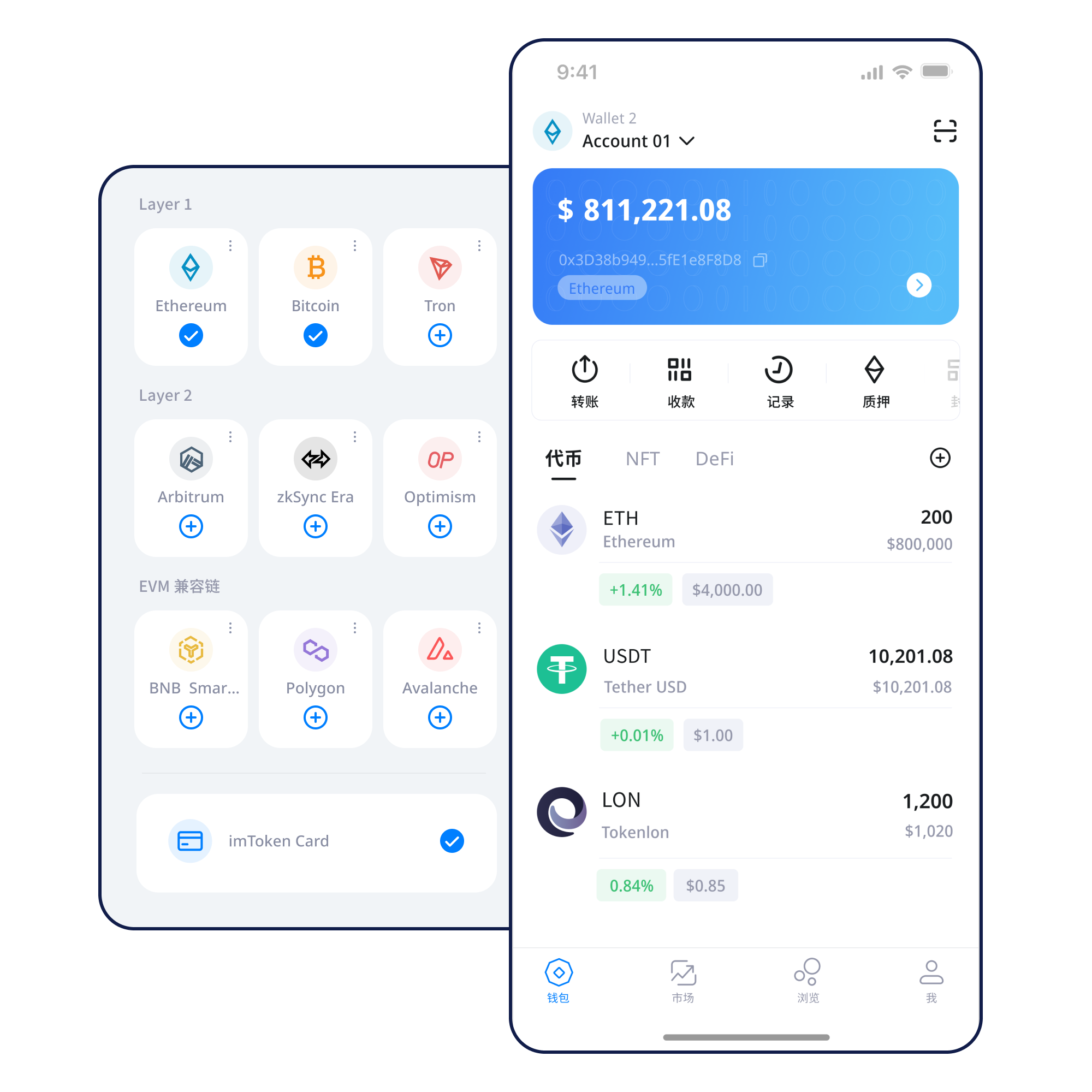
A task-first workflow makes network, address and permission checks easier to repeat.
Understand what is created locally and why recovery material must remain private.
Open guide →Keep your seed phrase offline and verify that the backup is complete.
Open guide →Confirm the receiving address and exact network before sharing details.
Open guide →Review the destination, network, amount, gas and final confirmation.
Open guide →Check the domain and review each signature or approval separately.
Open guide →Assets, transfers, mobile use, web connections and recovery security are presented in different visual structures.
View assets by network and verify the chain before acting.
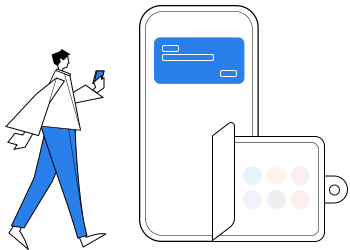
Check the address, network, amount, gas and transaction hash.
Transfer guide →Manage networks, balances and records while keeping device security in view.
Treat connection, signature and approval as separate permissions.
Keep recovery material offline and review every permission request.
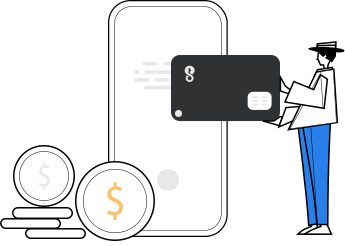
Understand multi-chain use, public chains, EVM, Layer 2 and gas as connected but distinct concepts.
Balances and fees remain network-specific even when one wallet can display many chains.
Use transaction hashes and block explorers to verify activity.
Similar address formats do not merge balances across networks.
Review bridge paths, confirmation rules and exit timing.
Gas pays for execution; confirmations help show settlement progress.
Use the official download entry and avoid unknown mirrors.
Complete setup without sharing recovery material.
Store the seed phrase offline and never send a private key.
Confirm the chain before receiving or sending assets.
Check the address, network, amount and gas before signing.
Use transaction hashes and remove permissions you no longer need.
Web3
Connecting a wallet does not mean approving every later request. Review each signature and approval separately.
Open the guide →imtoken
Keep recovery material offline, secure the device, verify the domain, review the network and address, and understand every signature or approval. imtoken staff will never ask for your seed phrase, private key or verification code.
Security CenterAcademy
Start with addresses and recovery material, then networks, gas and transaction hashes, followed by DApp connections, signatures and approvals.
Blocks and confirmations explain transaction progress.
Understand gas, contract calls and permission scope.
Learn bridges, base-chain relationships and exit timing.
Validators participate in proof of stake under protocol rules. Rewards vary and are not guaranteed.
Learn more →Downtime, penalties, contract risk, exit queues, third-party service risk and price volatility may affect outcomes.
Validator basics →Navigation is organized around real wallet tasks.
Never enter a seed phrase or private key into a website form.
Never share your seed phrase, private key or verification code.
Assets and transaction history belong to specific networks.
A confirmed on-chain transfer normally cannot be reversed by the wallet alone.
No. Connection, signature and token approval are separate permissions.
It lets you inspect a submitted transaction on the corresponding network.
No. Rewards can change, exits may take time and multiple risks remain.
Use the single official download entry. No content page triggers a download automatically.